
Original vs Fake Mobile Phone Charger - How to Identify and Safety Risks
Original vs Fake Mobile Phone Charger - How to Identify and Safety Risks
Using a fake charger can damage your phone, cause slow charging, and even create fire hazards. This guide helps you identify original chargers and understand the risks of using fake ones.
Why Fake Chargers Are Dangerous
- Can overheat and cause fire
- May damage your phone's battery and motherboard
- Slow charging (doesn't deliver rated wattage)
- No safety certifications
- Can cause electric shock
How to Identify Original Samsung Chargers
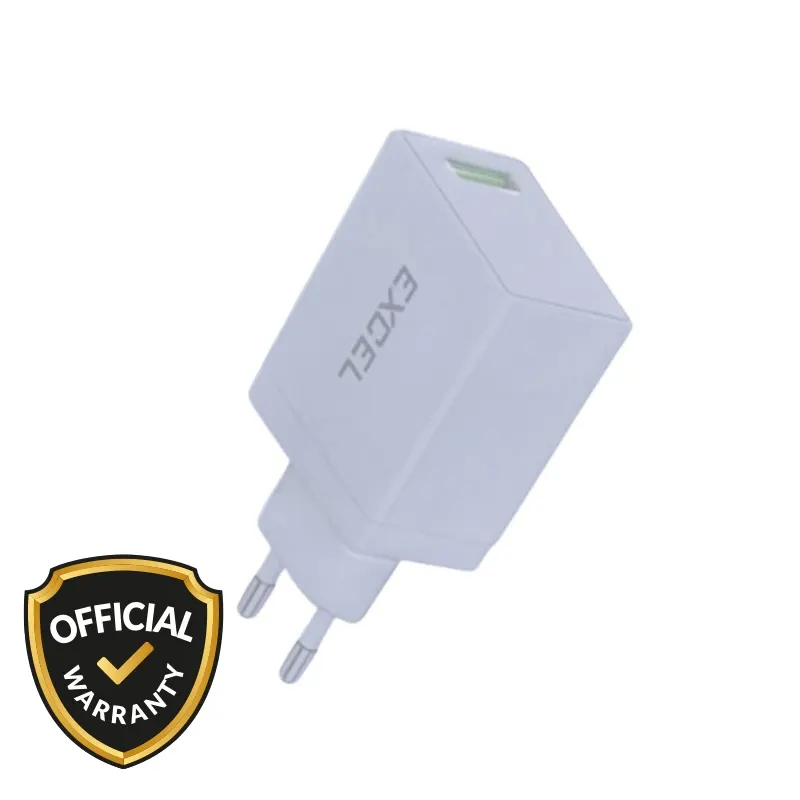
Check the Build Quality
Original chargers have smooth, even plastic with no rough edges. The pins are straight and firm. Fake chargers often have uneven seams, rough edges, or wobbly pins.
Look for Certification Logos
Original chargers have safety certification logos (CE, FCC, RoHS, etc.) clearly printed. Fake chargers may have blurry or misspelled logos.
Feel the Weight
Original chargers are heavier because they contain quality components. Fake chargers feel suspiciously light.
Check the Printing Quality
Original chargers have clear, sharp text. Fake chargers often have blurry, faded, or misaligned text.
Compare the Model Number
Original Samsung chargers have specific model numbers. For example, 25W charger is EP-TA800. Check if the model number matches official specifications.
How to Identify Original Xiaomi Chargers
Xiaomi original chargers have:
- Clear Mi logo and branding
- Proper certification logos
- Smooth finish with no rough edges
- Correct model number
How to Identify Original Apple Chargers
Apple original chargers have:
- Clear Apple logo and text
- Green dot on the prong side (for newer models)
- Smooth, seamless construction
- Correct weight (original 20W charger weighs about 58g)
Risks of Using Fake Chargers
Fire Hazard
Fake chargers use low-quality components that can overheat and catch fire. Several incidents have been reported in Bangladesh of fake chargers causing house fires.
Phone Damage
Fake chargers may deliver inconsistent voltage, damaging your phone's battery and motherboard. Repair costs can be 5,000-15,000 BDT.
Slow Charging
Fake chargers advertise 25W but may actually deliver 5-10W. Your phone will charge very slowly.
No Safety Features
Fake chargers lack overcurrent, overvoltage, and overheat protection. They continue charging even when your phone's battery is full.
Comparison - Original vs Fake Chargers
| Feature | Original Charger | Fake Charger | Weight | Heavy (quality components) | Light (cheap components) | Build Quality | Smooth, even | Rough edges, uneven seams | Certification Logos | Clear, correct | Blurry, misspelled | Charging Speed | Rated wattage delivered | Much slower than rated | Safety | Overheat protection | No safety features | Phone Damage Risk | None | High |
|---|
mobile.com.bd sells only 100% original chargers from Samsung, Xiaomi, Apple, Anker, and other trusted brands. All chargers come with official warranty.
Original Chargers Available at mobile.com.bd
| Brand | Charger | Wattage | Price (BDT) | Samsung | 25W PD Charger | 25W | 1,200-1,500 | Xiaomi | 33W Charger | 33W | 800-1,000 | Apple | 20W USB-C Charger | 20W | 2,500-3,000 |
|---|
Frequently Asked Questions
Question 1: Can a fake charger damage my phone?
Answer: Yes, fake chargers can permanently damage your phone's battery and motherboard.
Question 2: How can I test if my charger is original?
Answer: Weigh it, check build quality, look for certification logos, and compare with an original.
Question 3: Is it safe to use a fake charger just once?
Answer: No, even one use can cause damage. Always use original chargers.
Question 4: Are all cheap chargers fake?
Answer: Not all, but extremely cheap chargers (under 300 BDT for 25W) are almost certainly fake.